Change or rekey · Waterloo
Lock Rekeying
Your roommate moved out last weekend. Rent is settled, the room is empty, and the key is still on their ring.
Lock Rekeying
In plain words
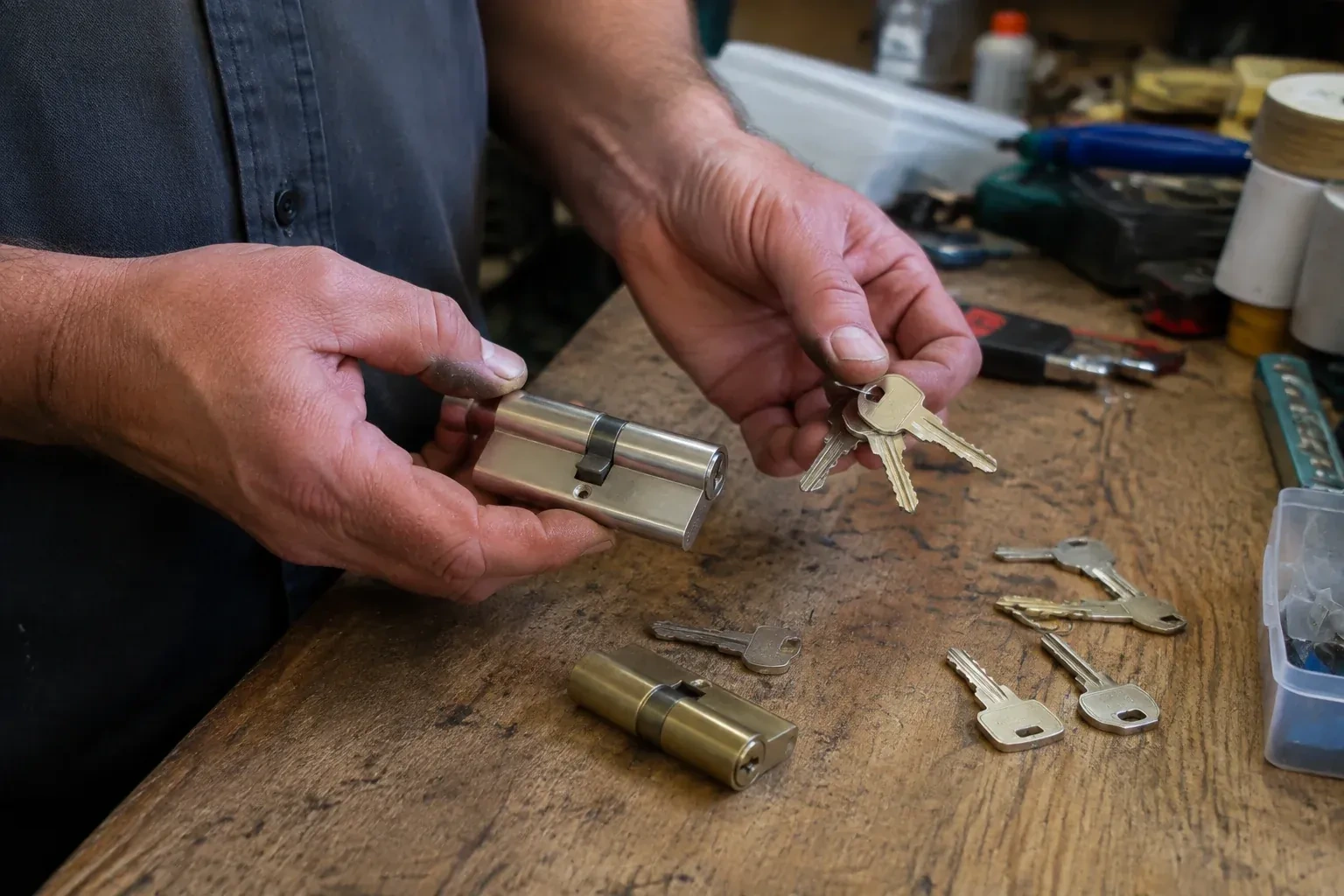
Moving into a home is the moment most people first hear about rekeying, and it is the most sensible time to do it. A resale house has usually passed through owners, real estate agents, home inspectors, cleaners and trades, each of whom may have held a key at some point. Rekeying every exterior cylinder on move-in day means the only keys that work are the ones cut for you, and the same visit is a chance to put every door on one key so the coffee tin of mystery keys can go in the recycling.
How the visit goesThe whole key ring went missing somewhere between the grocery store and the bus. You got back in with the spare, but a set of keys is out there, and you would sleep better knowing they open nothing.
Waterloo
How the visit goes
Counting the keys that are already out there
Part of planning a rekey is understanding why it is happening. The locksmith asks how many keys exist as far as you know, who has held one, and whether any went missing with something identifying the address. The answers do not change the pinning, but they shape the advice: whether a padlock or mailbox shares the same risk, whether a garage keypad code should change on the same visit, and how many new keys make sense to cut. It also helps to know whether any key is a restricted or patented type, since those are cut from a record rather than duplicated and may involve the original supplier.
Proving the old keys are finished
The last operation at every door is the test that matters most. The locksmith turns the new key from outside and inside with the door open, then closed, and confirms the bolt throws fully and draws back cleanly. Then the old key is tried in the same cylinder and must turn nothing. This is repeated at every rekeyed door, because the door that gets skipped is the one an old key still opens. Spares cut from the new pinning are tried in every lock they are meant for. The old keys, now just shaped brass, are collected or handed back to you for the recycling bin.
A written note of what was done
A short record closes the job: which doors were rekeyed, whether any cylinder was replaced, how many keys were issued and to whom, and any door that was deliberately kept on its own key. For a homeowner it is a line in the house file that answers the question, years from now, of which key opens what. For a landlord it is the handover to give the incoming tenant and to keep for the next turnover. For a property manager it is the start of a proper keying chart. It also makes any later work simpler, since the next locksmith can see what system the house is on.
Lock Rekeying
In the van
- Pinning tweezers and tray
- Key tags and keying record
- Graded bottom pin kit
- Cylinder shim
- Code cutter or key duplicator
What affects the quote
Same fees day, night or weekend
1No working key for a door
When a cylinder must be shimmed, decoded or picked open before it can be repinned because no key exists for it, that extra step is included in the quote for that door.
2Travel to the property
Every visit includes the drive. A home across town and a rural property at the end of a long road involve different travel time, and the quote reflects the trip as well as the bench work.
3Smart lock override cylinders and codes
Pinning the backup cylinder of a keypad or app lock to the house key is a small extra task, and reviewing or deleting user codes at the same time is another, each named in the quote.
Lock Rekeying: questions
What happens to my old keys?
They become ordinary pieces of brass. Once the cylinders are pinned to the new combination, the old keys turn nothing on your property, so there is no security reason to keep or hide them. Hand them to the locksmith for disposal or drop them in the metal recycling. If a former roommate or contractor still has one, it no longer matters, which is the whole reason for the visit. Keep only the new set, counted and tagged.
Will my door hardware look any different afterwards?
No. The work happens inside the cylinder, so the bolt, handle, finish and strike plate stay exactly as they are, and nothing new is cut into the door. The only visible change is the key in your hand. If a cylinder does have to be replaced, because its keyway is incompatible with the others or it has worn out, the locksmith picks one in a matching finish so the door keeps a consistent look.
My house is older and has a mortise lock. Can that be rekeyed?
Yes. A mortise lock, the kind with a large case set into the edge of the door, uses a threaded cylinder held by a set screw reached from the door's edge. The cylinder unthreads, is pinned like any other and screws back in. Where a very old lock uses a bit key or a lever mechanism instead of a pin cylinder, the locksmith will explain the options, which may include fitting a modern cylinder into the existing case so the door keeps its original hardware.
Change or Rekey Locks
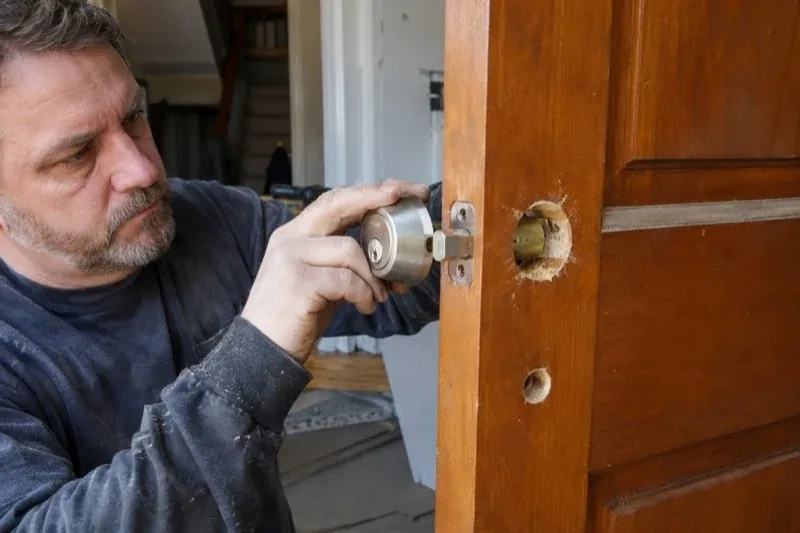
- Lock Replacement & UpgradeThe lever on the side door droops toward the floor and rattles in your hand.
- Vintage Mortise Lock ServiceThe key turns freely in the round cylinder on the door, all the way around and back, without the…
- Smart Lock InstallationHalf the evenings someone asks whether the back door got locked, and nobody is sure.
Lock Rekeying near you
Every lock service we provide in Waterloo starts with the same first step, which is looking at the door properly before deciding anything. The individual pages below explain what that look involves for each job, how the work is carried out, and what to expect from the hardware afterwards.